
European Agriculture – Opportunities for Young Farmers
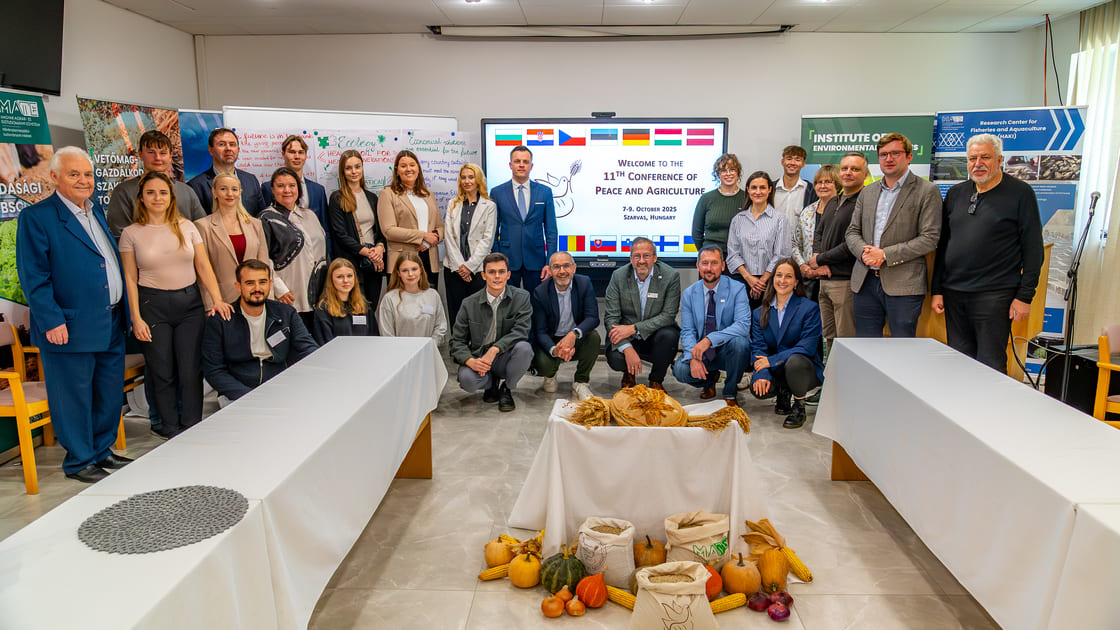
In September 2016, representatives of the International Network “Peace and Agriculture” had already gathered in Szarvas, Hungary, for their 3rd Annual Conference. Now, returning to this location for the second time, the 11th European Annual Conference from October 7 to 9, 2025 marked the beginning of a “new decade” of dialogue and mutual understanding under the powerful symbol of the European PeaceBread. A premiere was also celebrated with the first “Sourdough Camp” (SDC), through which the network aims to actively encourage and involve young people from agriculture and rural areas in discussions on current issues concerning the future of agriculture and peace in the European Union in the future.
October 6, 2025
Welcome evening for the Sourdough Camp (SDC) participants
Turul Restaurant, Szarvas, 7:00 PM
Dr. Anoush Steinberger-Ficiciyan, Managing Director of PeaceBread in Berlin, and Dr. Andreas Quiring, Managing Director of the Andreas Hermes Akademie Berlin, welcomed participants on the eve of the first international Sourdough Camp. Before the official workshop day began, the first evening was dedicated to relaxed networking. During a shared dinner and spontaneous mini-speeches—drawn by random topics—participants quickly found themselves laughing, discussing, and shedding their initial nervousness. This light-hearted start created the perfect foundation for the collaborative work of the days ahead.
October 7, 2025
Sourdough Camp (SDC) Workshop (Working Sessions)
October 7, 2025, 09:30 AM – 6:00 PM
Central Library of the Hungarian University of Agriculture and Life Sciences (MATE), Szarvas
Moderator: Dr. Andreas Quiring, Managing Director of the Andreas Hermes Akademie Berlin
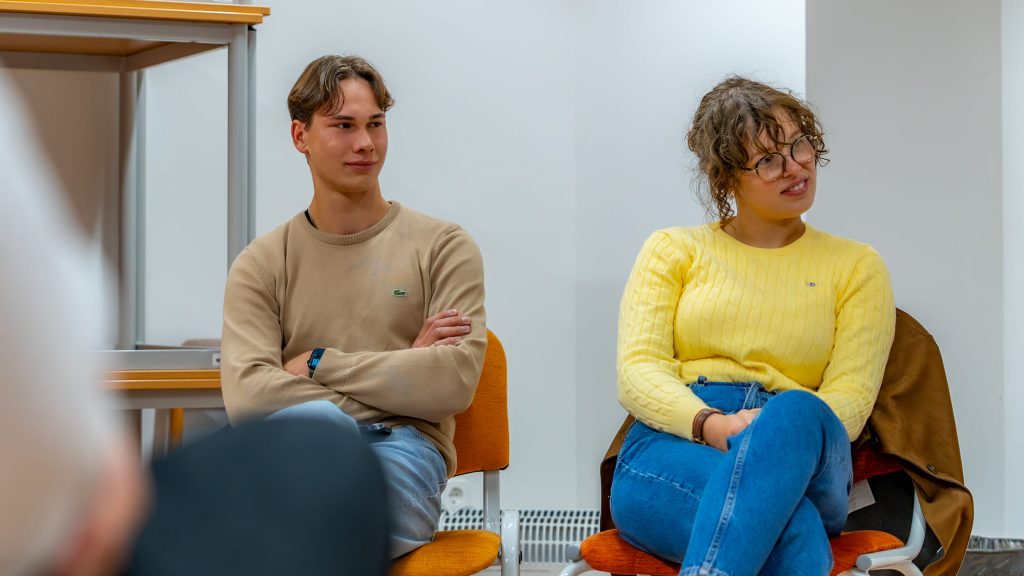
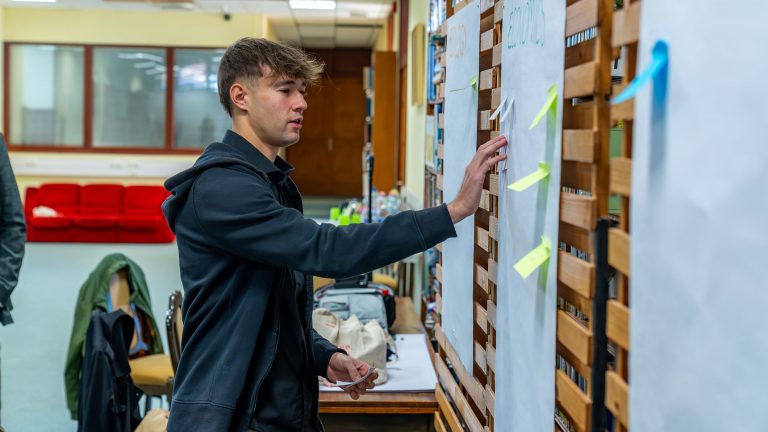
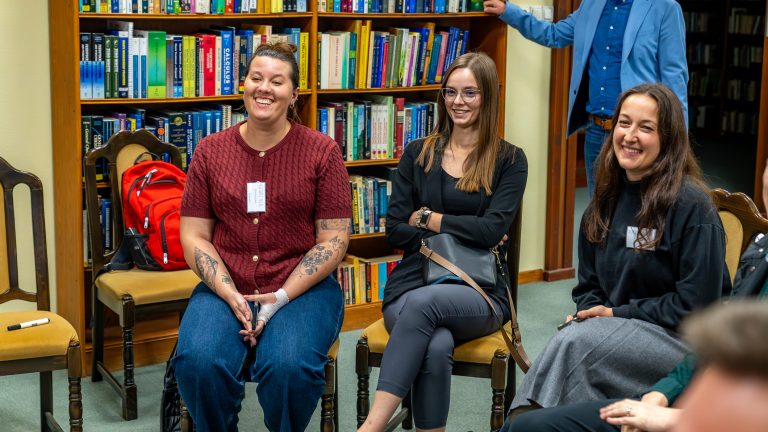
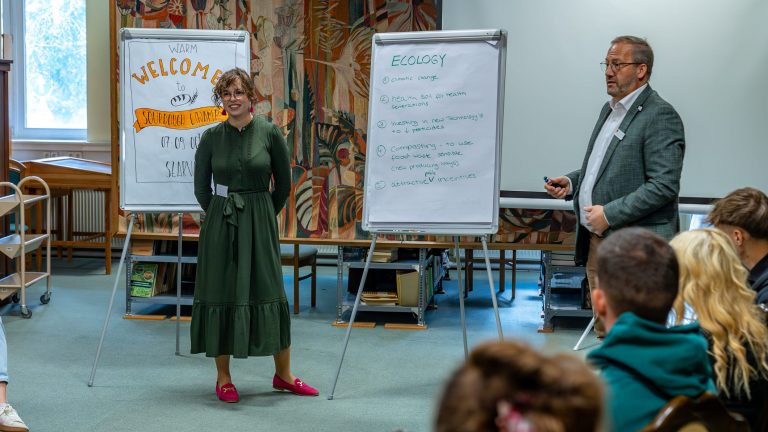
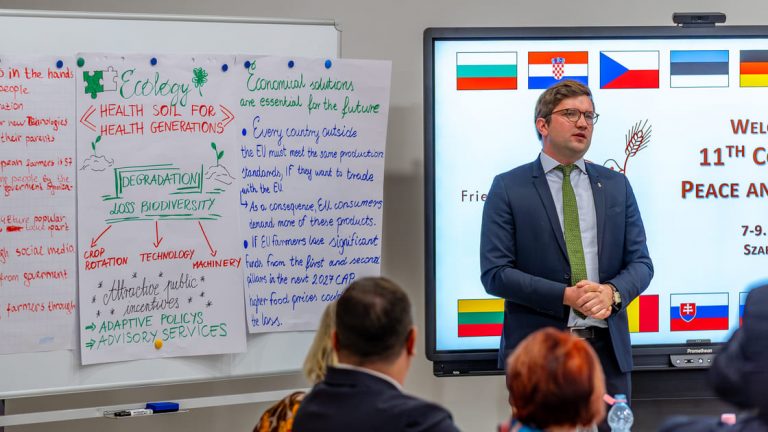
The workshop day on October 7 quickly evolved into a lively and open exchange. Under the guiding theme “The Future Balance between Food Sovereignty and Sustainability,” the young participants engaged intensively with pressing questions surrounding the future of sustainable agriculture. In small groups, they discussed the political, economic, and social changes necessary to reconcile food sovereignty and sustainability in the long term. Personal experiences from their home countries were combined with professional knowledge and observations from their own agricultural practice or education.
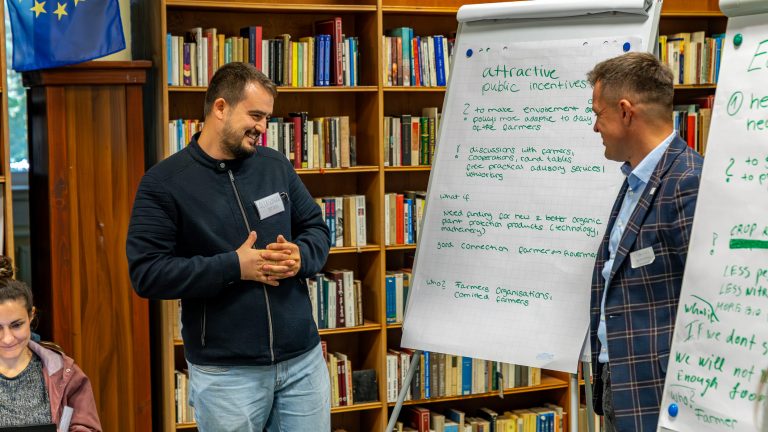
Based on this, the groups developed concrete theses addressing social challenges, ecological questions, and economic perspectives – structured along the three dimensions of the sustainability triangle. This framework helped them systematically address the broad range of topics while also formulating creative, forward-looking solutions. Many discussions highlighted how closely interconnected these three areas are and that sustainable transformation can only succeed if approached holistically.
In the subsequent plenary session, all results were presented, discussed, and further refined. Participants listened attentively, asked critical questions, and complemented each other’s contributions with their own perspectives. Ultimately, the entire group agreed on three core theses per thematic field, reflecting both the diversity of ideas and clear priorities.
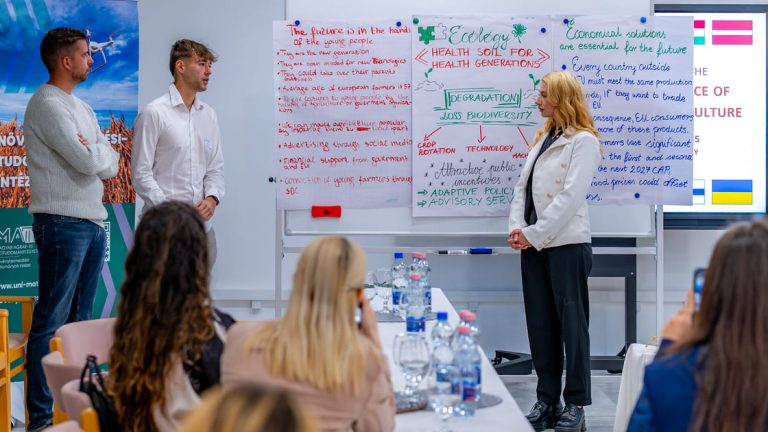
The result was a set of impressive, independent statements: they emphasized ecological responsibility in terms of sustainable resource use, highlighted the importance of international networking among young people as a driver of innovation and cohesion, and underlined the relevance of European economic sovereignty for resilient agriculture. These contributions demonstrated how thoughtfully, and proactively, young people can help shape the future of agricultural policy.
Dinner and Table Discussions
After a long and eventful day, participants shared a meal featuring typical Hungarian dishes. The Sourdough participants also met conference guests who had already arrived. In a relaxed setting, conversations emerged, laughter was shared, and everyone took the opportunity to get to know each other better. The informal atmosphere and the intentionally fostered exchange between generations created a pleasant introduction and a strong basis for the upcoming conference days.
October 8, 2025
Network Meeting of the 11th European Annual Conference “Peace and Agriculture”
European Agriculture – Opportunities for Young Farmers
October 8, 2025, 09:30 AM – 1:00 PM
Conference Center of the Hungarian University of Agriculture and Life Sciences (MATE), Szarvas
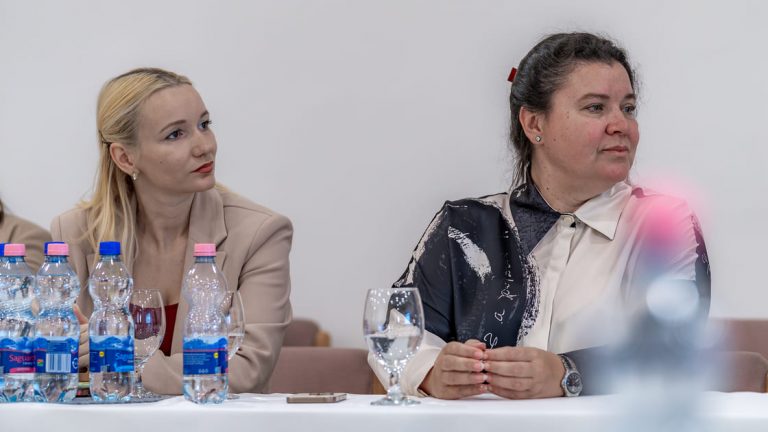
09:30 – 10:30: Presentation of Sourdough Camp Results by Participants
On the following day, participants presented their theses for the first time to civil society representatives from the partner countries of the international network – including the Bulgarian partners who will host the youth camp in 2026. For many of the young participants, it was their first time presenting their positions to an international expert audience. All the more impressive was their clarity of expression and confidence in articulating their viewpoints.
They used the opportunity to explain the motivations behind their theses and to contextualize current challenges. It became evident how intensively they had engaged with the topics in advance—from food sovereignty and ecological responsibility to structural conditions in European agriculture.
Representatives from partner countries received these contributions with great interest, asked questions, and shared perspectives from their national contexts. This direct dialogue led to a lively and appreciative exchange and highlighted how much international cooperation benefits when young voices are given space and are taken seriously.
11:00 – 13:00: Contributions from Civil Society Representatives of Partner Countries
Later that morning, the exchange between Sourdough Camp participants and civil society representatives continued in reverse order. The focus now shifted to the contributions of long-standing actors within the PeaceBread network. They shared perspectives on the conference theme, the further development of the PeaceBread platform, and subject-specific priorities inspired by the Sourdough theses and previous discussions.
It became clear that, after ten years of successful collaboration, the network seeks to build on continuity while also developing new impulses and formats. The significance of the PeaceBread idea was emphasized – especially in light of the ongoing war in Ukraine.
The associated challenges, particularly regarding European agricultural and cohesion policy, were identified as relevant topics for future events, including within the framework of the Sourdough Camps. The PeaceBread network aims to consciously position itself as a platform for open, authentic dialogue and mutual understanding – even across apparent differences and generations.
14:00 – 16:00: Field Visit to a Food Processing Facility Led by a Young Entrepreneur
(Good Agricultural Practice: Valoryz Production Ltd., Szarvas)
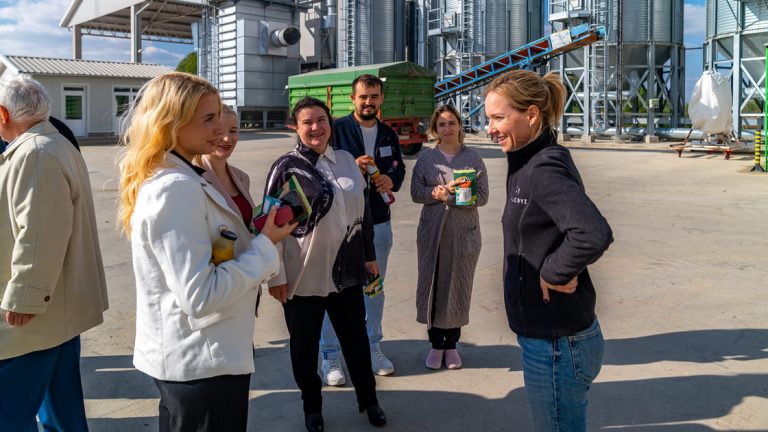
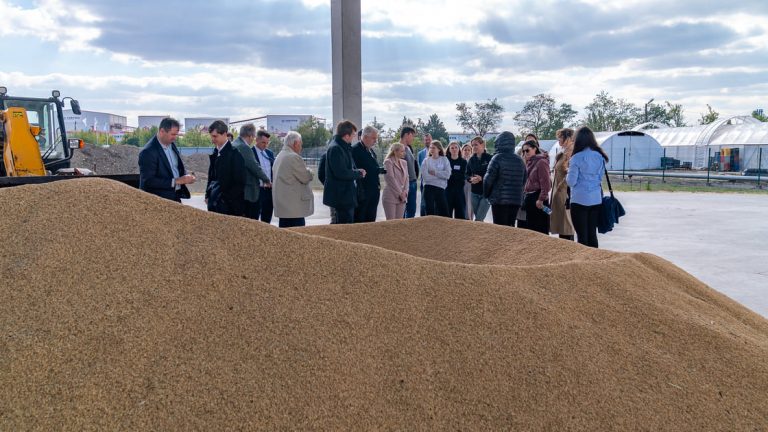
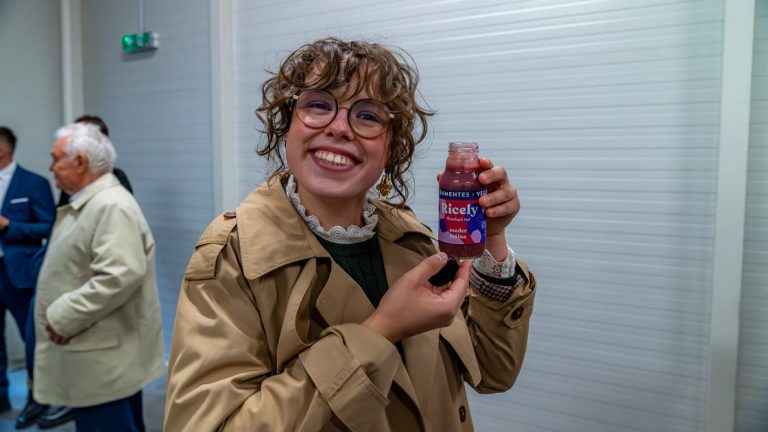
The afternoon program continued with a joint excursion to a young farmer operating an innovative rice cultivation business. On-site, participants gained direct insights into operational decisions and machinery used in a modern, sustainable agricultural enterprise that processes rice for baby food, biscuits, and healthy beverages. Personal conversations and authentic impressions made clear how closely theory, practice, and future-oriented questions are interconnected – and how much courage and creativity are required to pursue new paths in agriculture.
October 9, 2025
09:00 – 12:00: Conference “Peace and Agriculture”
Conference Center of the Hungarian University of Agriculture and Life Sciences (MATE), Szarvas
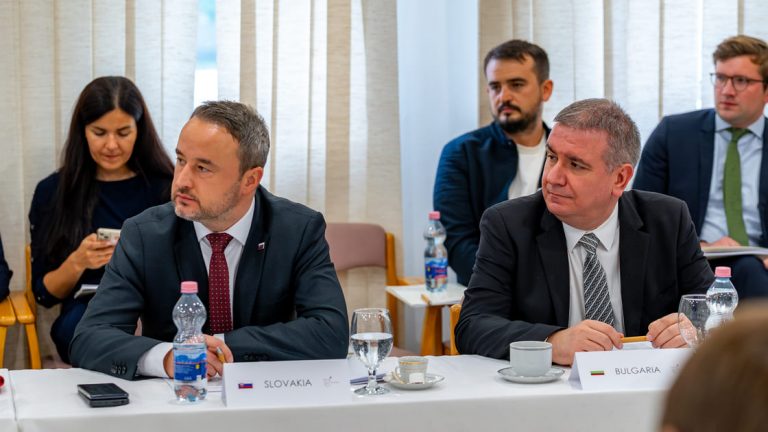
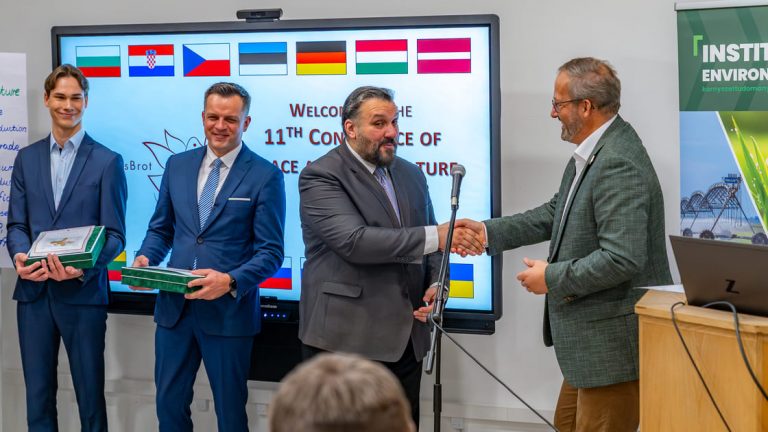
The second conference day focused on dialogue with political and ministerial representatives from partner countries. It was intentionally designed to give young Sourdough Camp participants the opportunity to directly bring their developed theses into the political sphere. Welcome addresses and speeches were delivered by:
- Mihaly Jancso, Deputy Head of Research Center
- Csaba Bartolák, Deputy Mayor of Szarvas
- Oszkar Ökrös, Deputy State Secretary, Hungarian Ministry of Agriculture
- Peter Benkö, Minister Plenipotentiary, Permanent Representation of Hungary to the European Union
- Sebastian Graf von Keyserlingk, Head of Division for International Cooperation and Global Food Policy, German Federal Ministry of Food and Agriculture
- Additional politicians and representatives from Estonia, Croatia, Latvia, Lithuania, Poland, the Slovak Republic, and Ukraine (joining online)
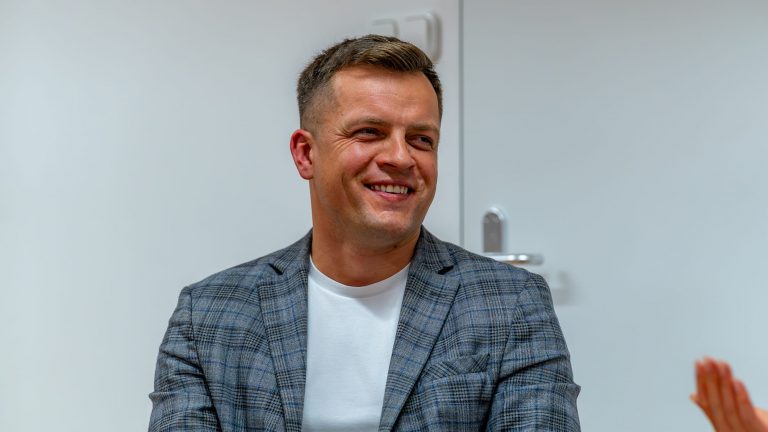
With visible commitment and some excitement, the Sourdough Camp participants presented their results, explained key concerns, and outlined the impulses they aim to contribute to the future of European agriculture. Their presentations demonstrated how differentiated the younger generation’s perspective on agricultural policy challenges is—and how solution-oriented their approach to complex future issues can be.
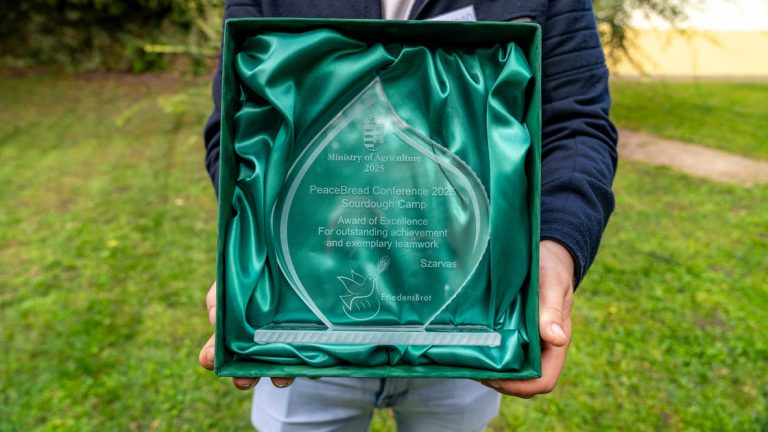
Both the Hungarian Ministry of Agriculture and the German Federal Ministry acknowledged the depth and quality of the work. They particularly emphasized the importance of young people’s perspectives for shaping sustainable and future-oriented agricultural policy. The clear message from political representatives: the voices of youth are needed – and they are being heard.
A particularly encouraging sign for the group: a Bulgarian participant from the camp was invited by the German Ministry of Agriculture to attend the Youth Forum of the Global Forum for Food and Agriculture (GFFA) in January 2026, held alongside the International Green Week in Berlin. This invitation is not only a personal recognition but also underlines the value of the Sourdough Camp as a platform where young people can gain visibility and exert influence.
14:15 – 15:30 Peace Bread Ceremony “Honoring Our European Peace Bread”
Lutheran Church of Szarvas (Ótemplom)
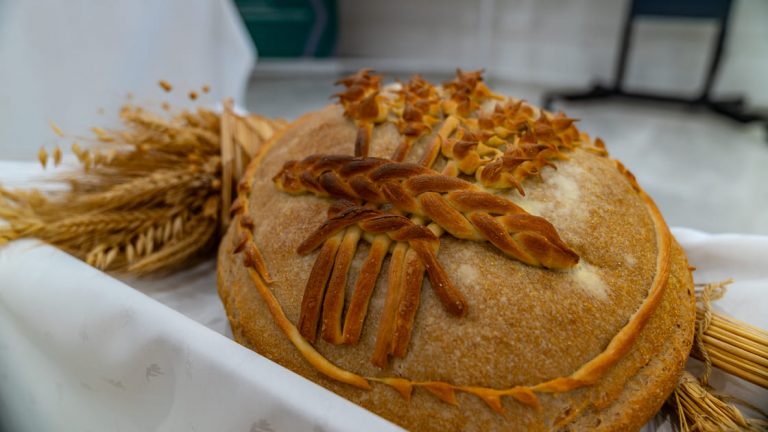
Ceremonial Breaking and Honoring of the European Peace Bread
Handover of the Peace Bread to Representatives of Bulgaria, Host of the 12th Annual Conference “Peace and Agriculture” 2026
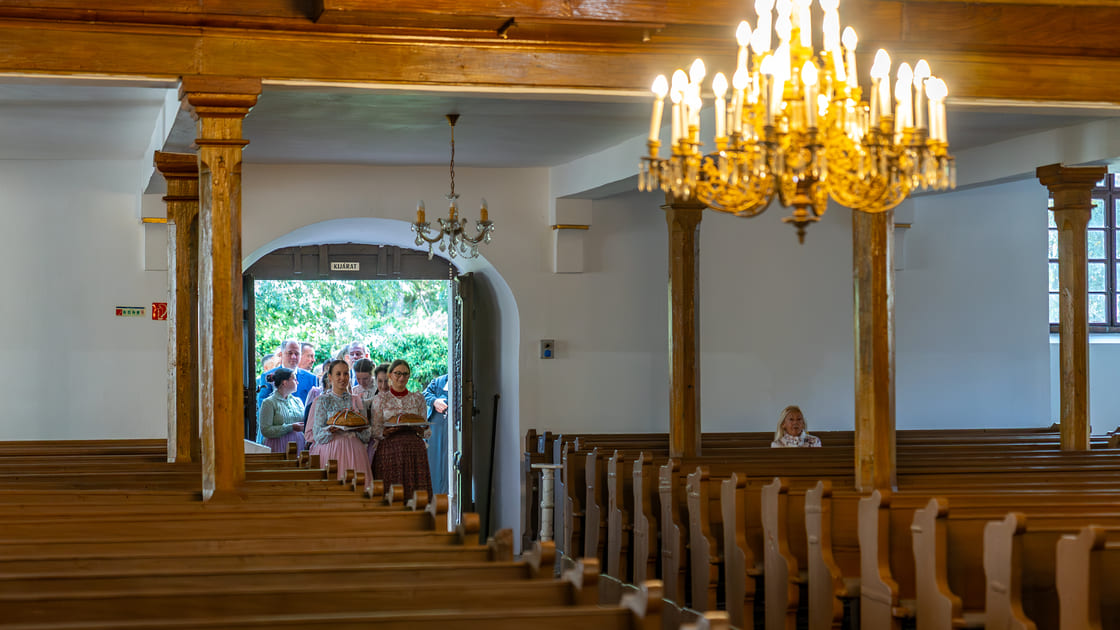
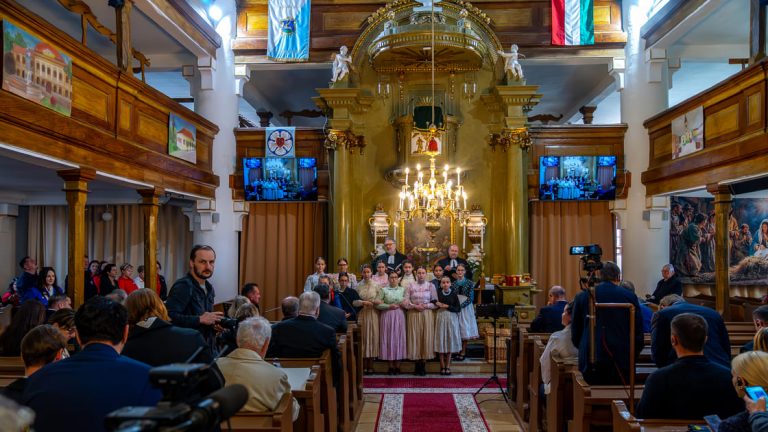
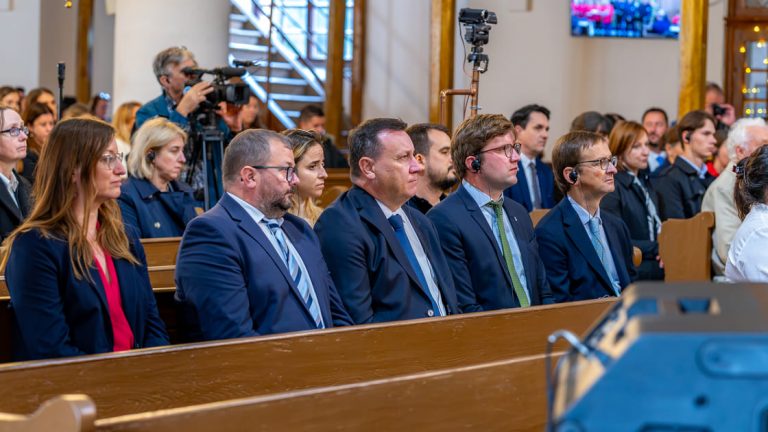
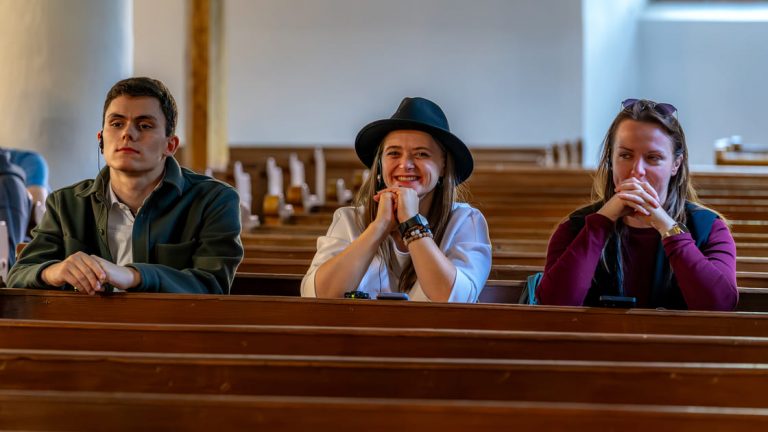
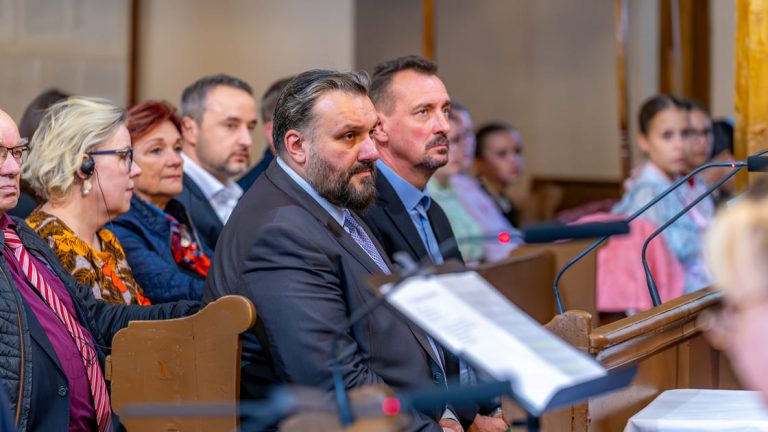
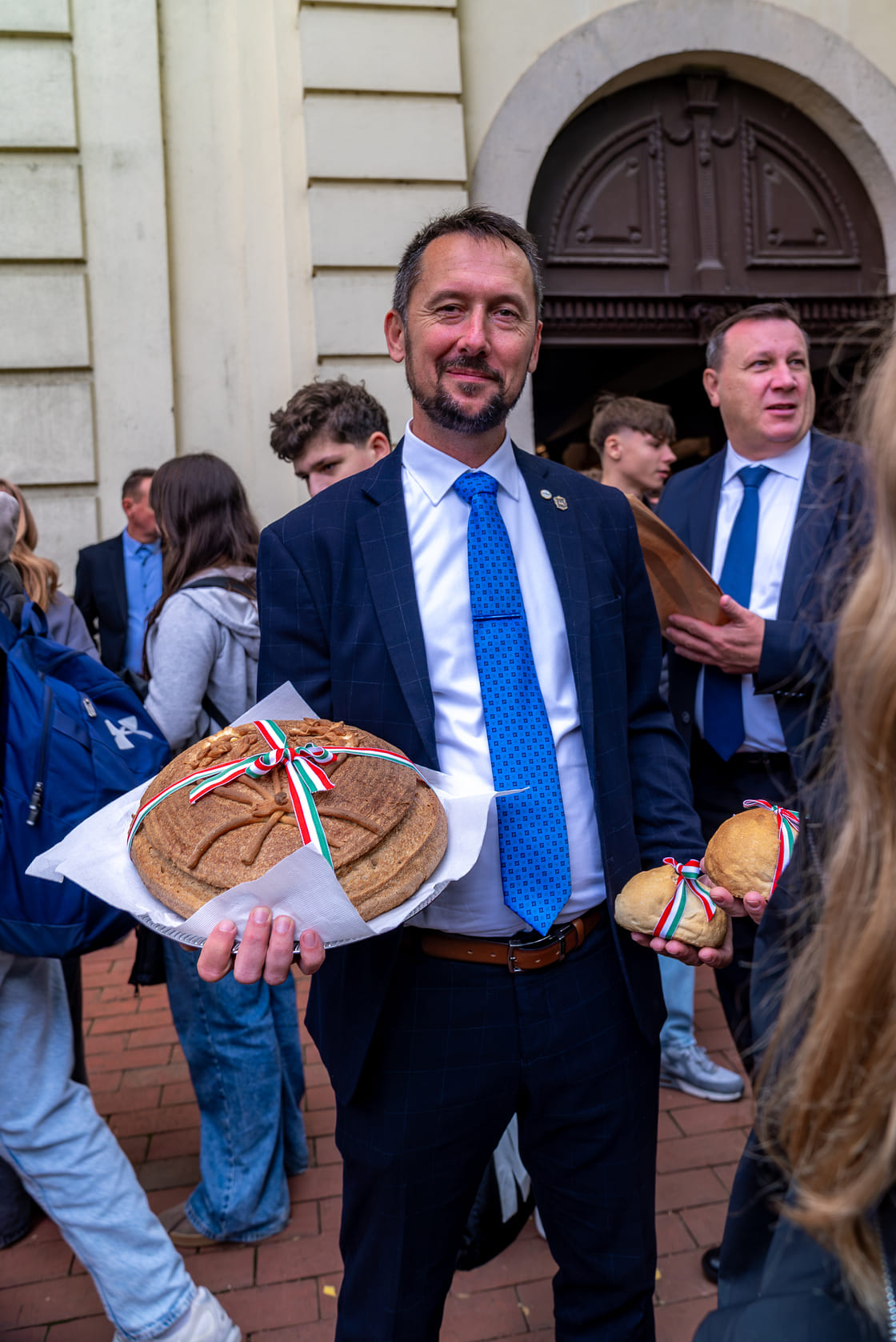
The ceremonial and emotional highlight of every PeaceBread conference. Participants gathered in the festively decorated Lutheran Church in Szarvas. Accompanied by music, young people carried the European Peace Bread of 2025 into the church. The dignified conclusion of the 11th Annual Conference of the International Network “Peace and Agriculture” began.
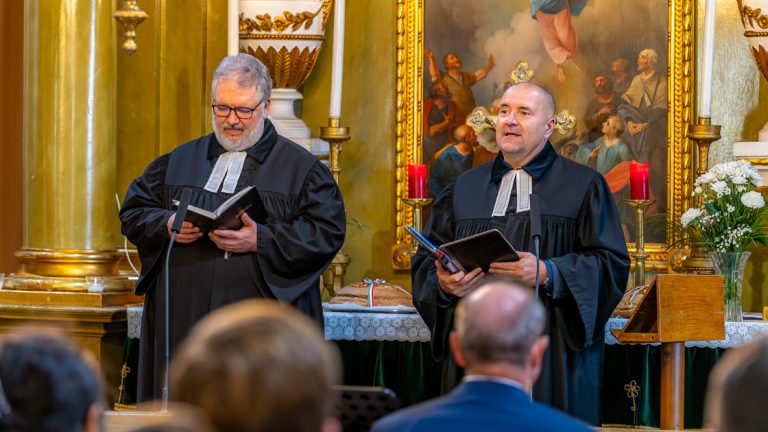
Pastor Zsolt Lázár, together with his colleague, welcomed local and international guests. He emphasized the symbolic role of bread as a connection between agriculture, food security, and peace in Europe and worldwide. Zsolt Lázár has supported the PeaceBread project from the very beginning. Some participants fondly remembered that he had already welcomed guests and partners to this special place in September 2016 during the 3rd Annual Conference. Then as now, he led an ecumenical service.
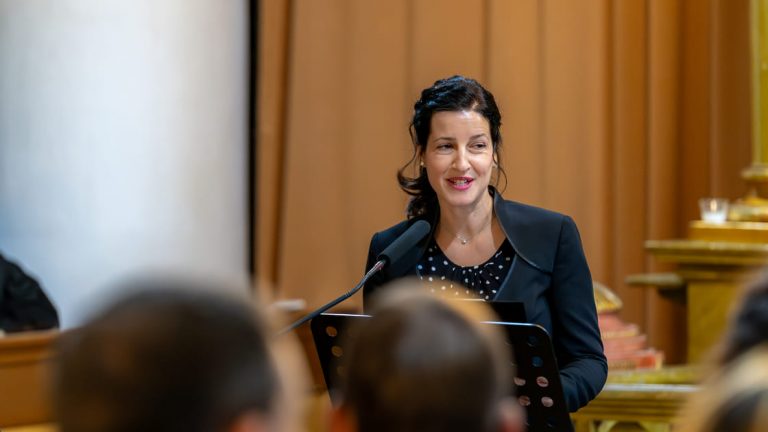
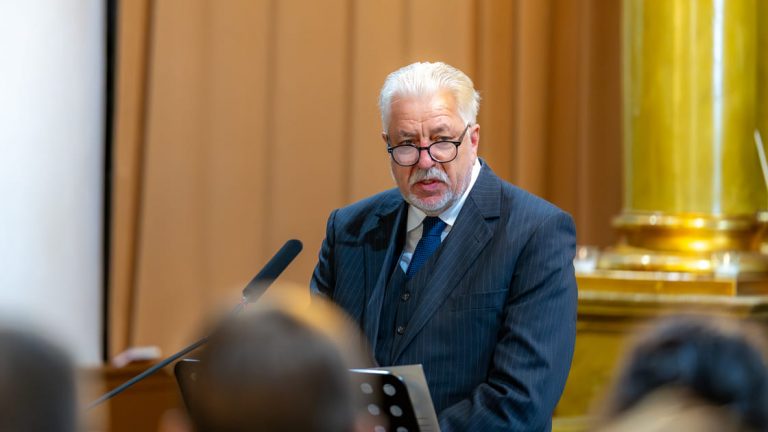
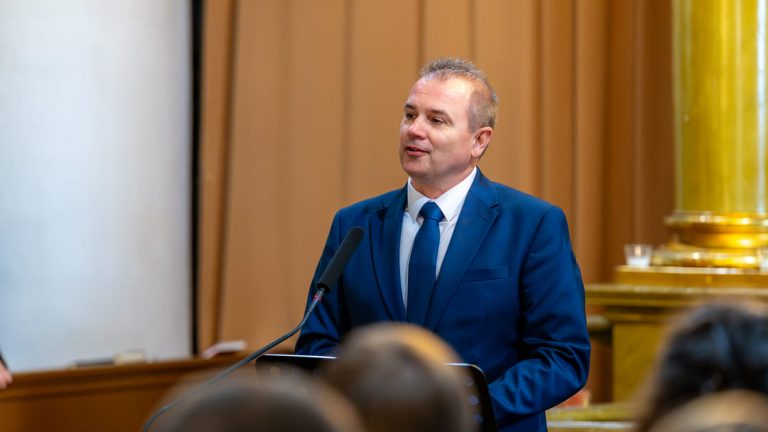
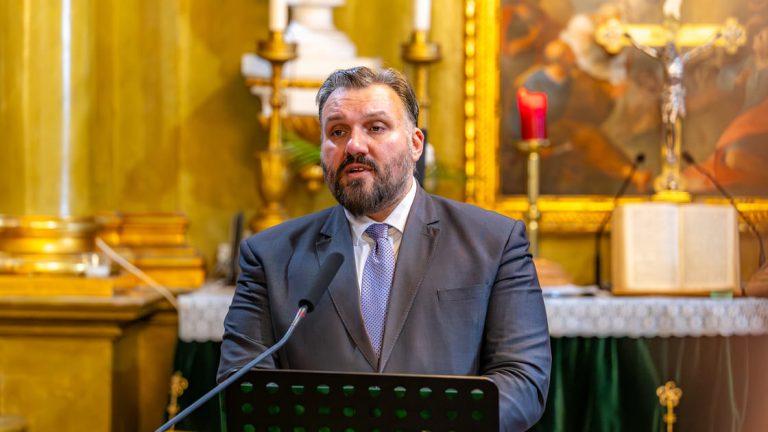
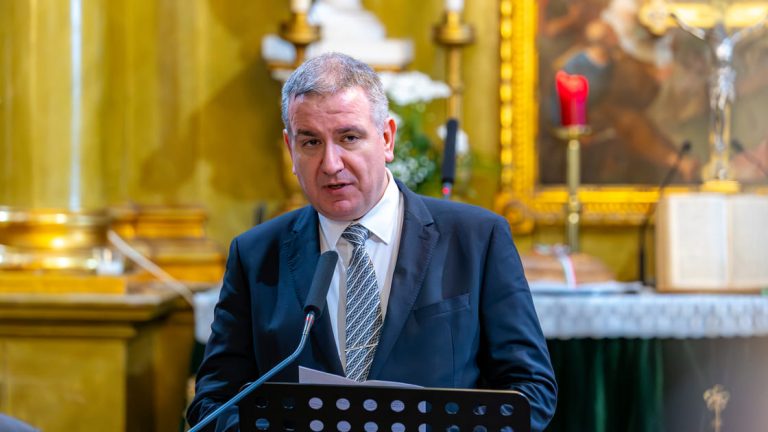
Invited guests also addressed the audience: Dr. Anna Miklós, member of the church community; Mr. Pál Hodálik, Mayor of Szarvas; and Dr. Gibfried Schenk, member of the board of PeaceBread. In his speech, Schenk – founder of the PeaceBread idea – reflected on European history, recalling times of war and transformation when people from the partner countries represented in Szarvas today gave their lives for freedom. Together, Europe overcame the Iron Curtain in 1989. Today, under the symbol of the European PeaceBread, participants are united in advocating for a just peace in Ukraine. For there, too, the fundamental convictions of the PeaceBread community must apply:
“Agriculture needs peace” and “Peace needs agriculture.”
Further speeches were given by Dr. Oszkar Ökrös, Deputy State Secretary of the Hungarian Ministry of Agriculture, and Nicolay Panayotov, Minister Plenipotentiary at the Embassy of the Republic of Bulgaria in Hungary. Both acknowledged the project from the perspective of agricultural policy and as representatives of their respective countries.
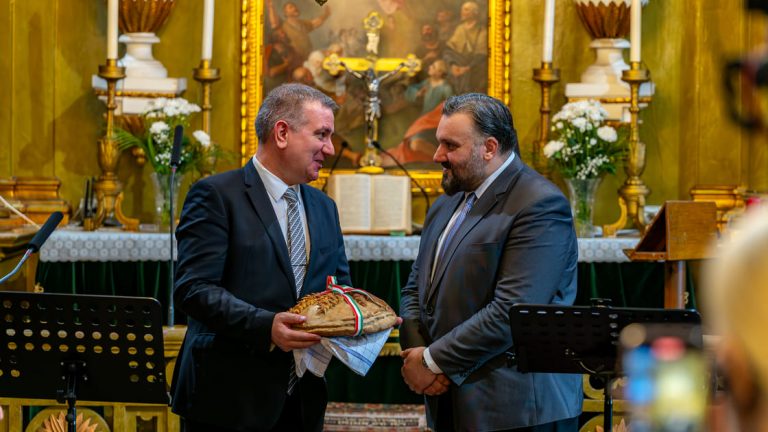
This was followed by the symbolic handover to the host country of the next international conference. Accordingly, Dr. Ökrös presented the Peace Bread of 2025 to Minister Panayotov, as Bulgaria will host the 12th Annual Conference “Peace and Agriculture” in 2026.
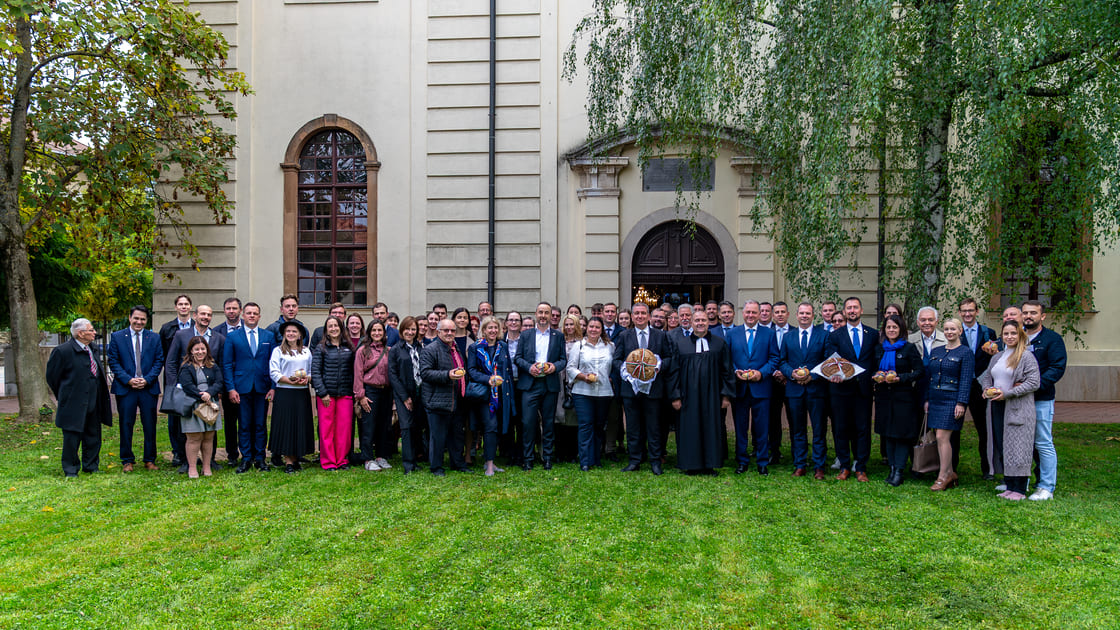
A group photo at the church exit brought together conference participants for a final moment before they began their journeys home – after three days of shared discussions, enriched by many new impressions and insights, they departed with deep gratitude to the Hungarian organizers from civil society and the Hungarian Ministry of Agriculture. In Szarvas, with the launch of the first Sourdough Camp, a new chapter was opened for the PeaceBread network and its future.
Family Photo