
Resilience of Agriculture in Times of Crises
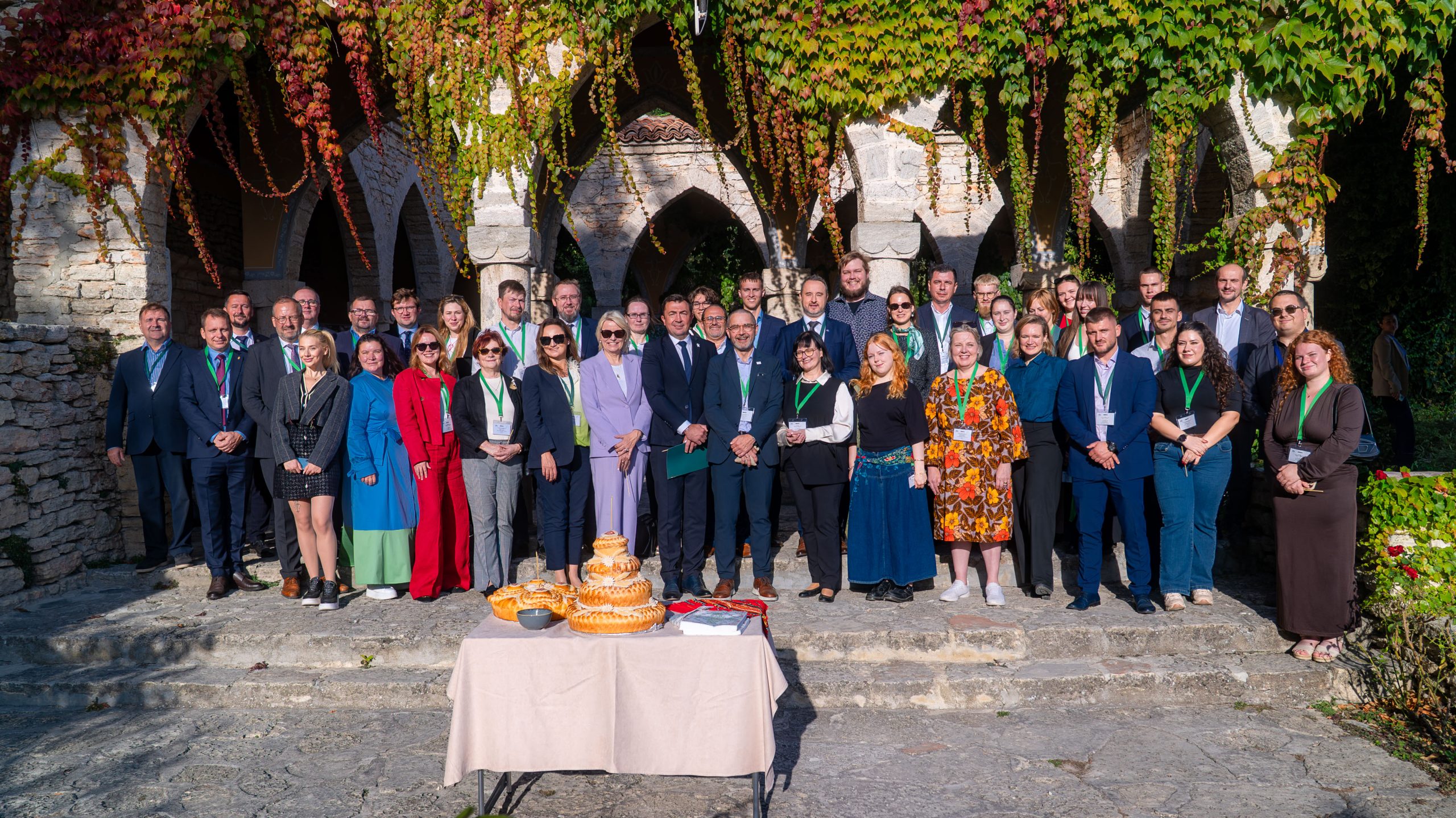
From October 6 to 9, 2026, the international network “Peace and Agriculture” convened for its 12th Annual European Conference—the second time in Bulgaria since 2017. The conference was held in Balchik, a picturesque small town located directly on the Black Sea. Its historic castle and garden complex, where the conference took place, was built in the 1920s, when the region was part of Romania. Queen Maria of Romania had her summer residence built here, which she called “Tenha Yuvah”—the “quiet nest.”
The pressing relevance of the conference topic was evident to the hosts right from the start: Attacks on merchant ships loaded with grain from Ukraine off the Bulgarian Black Sea coast immediately prior to the conference’s opening served as a stark reminder of how closely peace and agriculture, security and food security in Europe are intertwined. This made the European solidarity among the partner countries all the more important in times of ongoing wars under the shared umbrella of FriedensBrot—and all the more apt was the motto of this year’s conference: “Resilience of Agriculture in Times of Crisis.”
In his opening remarks, Anton Blöth, chairman of FriedensBrot e. V., recalled the core message of the FriedensBrot concept: “There can be no peace without agriculture—but agriculture also needs peace. Neither can be taken for granted, nor are they guaranteed to last forever.” This makes open forums and roundtable discussions for dialogue and mutual understanding all the more important and desirable as the foundation for peace.
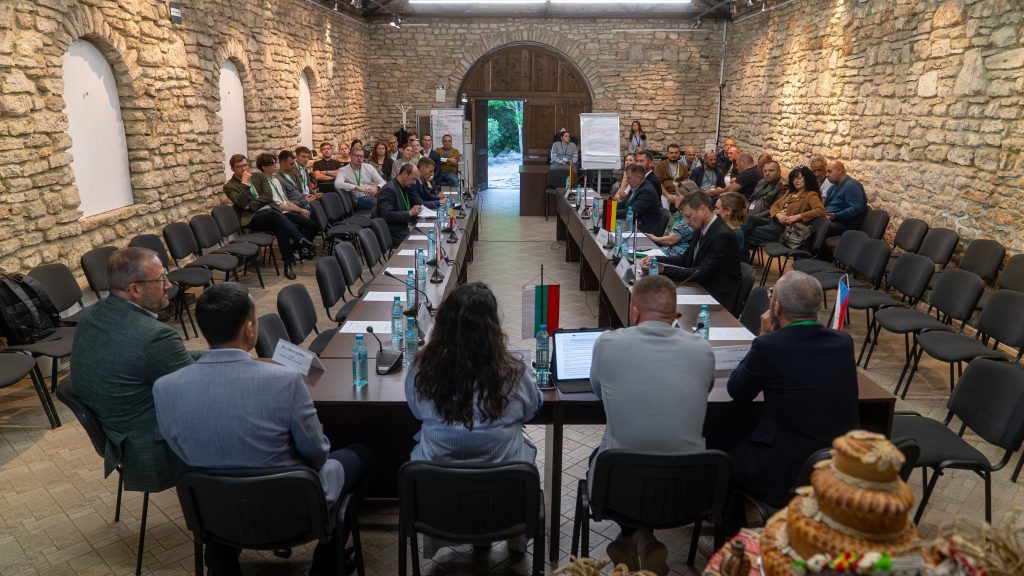
Warm and welcoming Bulgarian hosts welcome about 80 participants
The conference was organized and sponsored by the Ministry of Agriculture and Food of the Republic of Bulgaria, represented by Deputy Minister Yanislav Yanchev, and by the National Association of Grain Producers (NGPA), chaired by Iliya Prodanov, who was honored during the conference as the next “PeaceBrot” ambassador in recognition of his personal commitment.
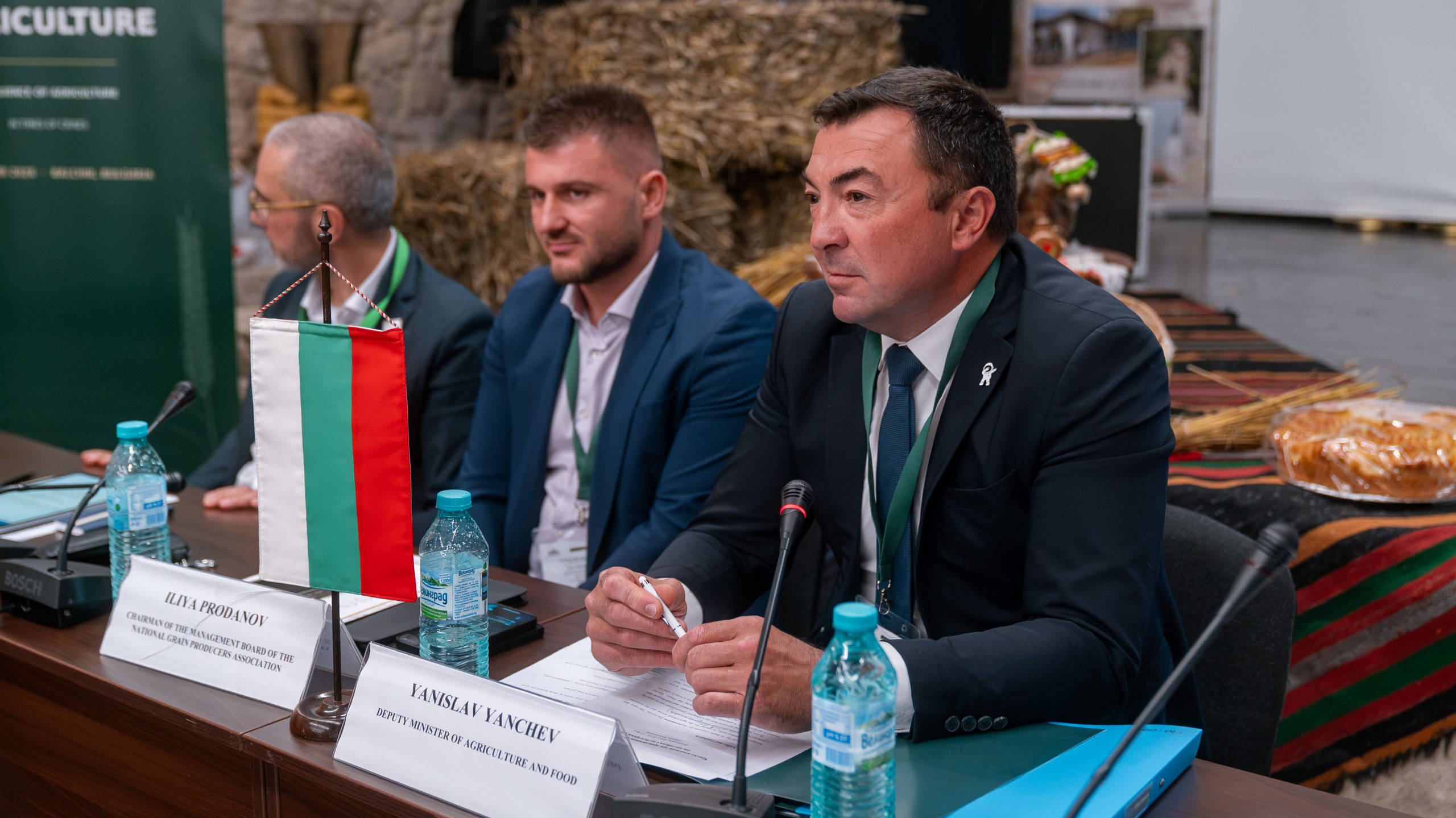
Both hosts were represented by a large, dedicated team and, over the course of four days, demonstrated a level of hospitality that deeply moved all participants. The conference was also supported by Bulgarian sponsors, including the technology company NIK.
The attendance of approximately 80 participants underscored the network’s enduring appeal: Representatives from ministries and civil society in 13 of the 14 partner countries of the FriedensBrot project had traveled to Balchik—only Croatia was unable to participate this time.
Antje Frehse, Head of the Department for Agricultural Trade Policy, EU Affairs, and International Cooperation at the Federal Ministry of Agriculture, Food, and Home Affairs (BMLEH), attended the conference on behalf of Germany. In an insightful presentation, she—speaking also on behalf of FriedensBrot patron Federal Minister Alois Rainer—brought Germany’s perspective to the ministerial debate. At the same time, she expressed her deep admiration for the contributions of the young participants at the Sourdough Camp and the numerous discussions she had with her international colleagues in late-summer Balchik.
Second edition of Sourdough Camp: the younger side of the FriedensBrot network
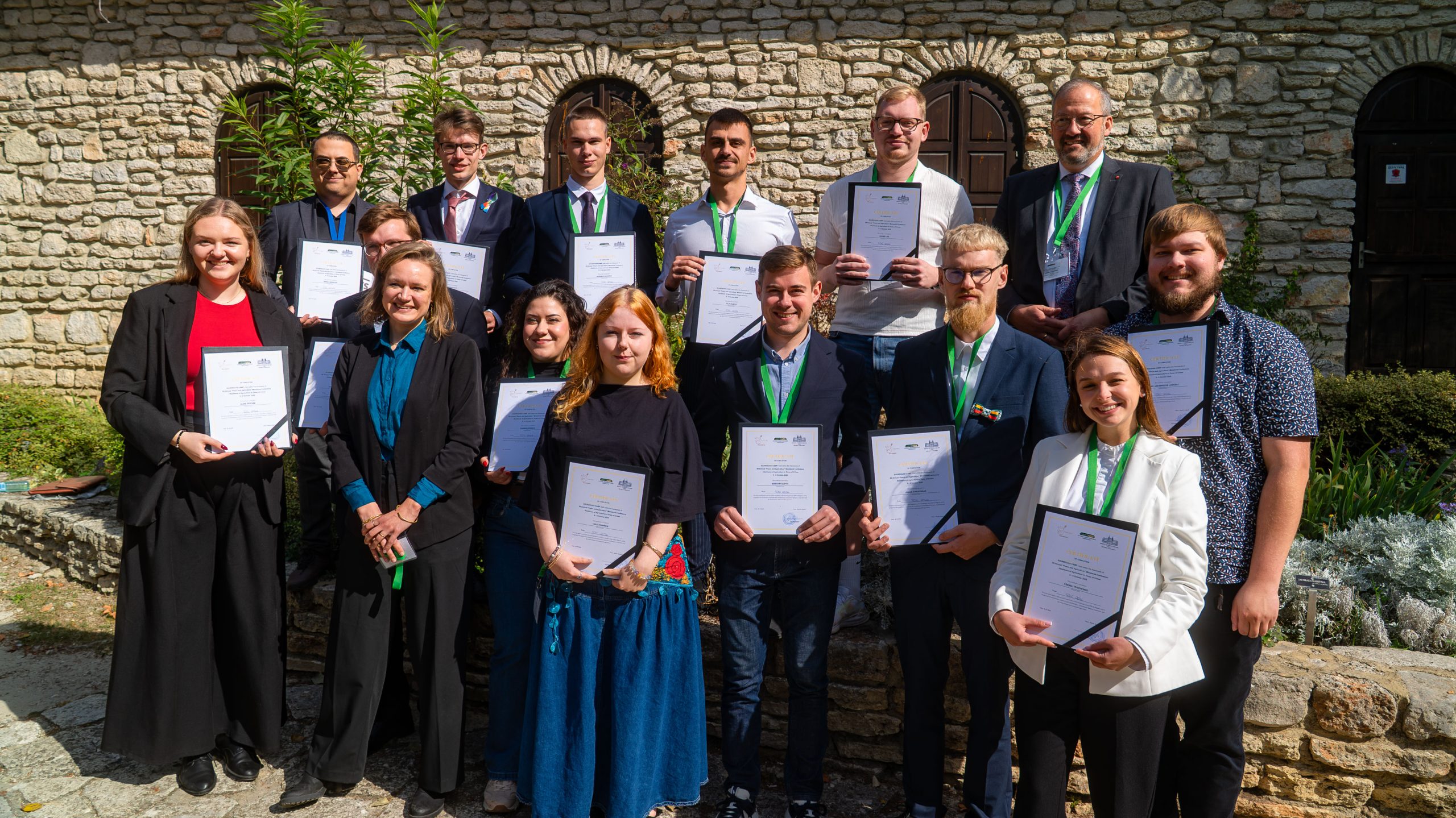
For the second time, the PeaceBread Sourdough Camp took place under the direction of the Andreas Hermes Academy in the lead-up to the annual conference. Fifteen young people from the agricultural sector and rural regions of the partner countries arrived in Balchik on October 6.
After getting to know one another that evening, they devoted themselves on October 7 to workshops and working groups addressing the future of resilient agriculture and rural areas. To begin, they presented to one another the strengths and challenges of agriculture and rural areas in their respective countries. This exchange helped them better understand the different starting points and identify common concerns.
Building on this, the young participants turned their attention to the European level: What does resilience in agriculture mean in concrete terms? What strengths can help promote it, and what risks stand in its way? Focusing on the three key areas within the conference’s overarching theme—economic resilience, ecological resilience, and innovation—they developed proposals for a more resilient agriculture and vibrant rural communities. In the process, they discovered many commonalities while also learning to acknowledge differing experiences and interests and still develop shared positions.
They also had ample opportunity to convey their concerns in a concise manner: In a thought experiment, the participants happened to run into Ursula von der Leyen at the airport taxi stand. The task: to get to the heart of an issue in just two minutes and seize the opportunity to provide impetus for European agricultural policy.
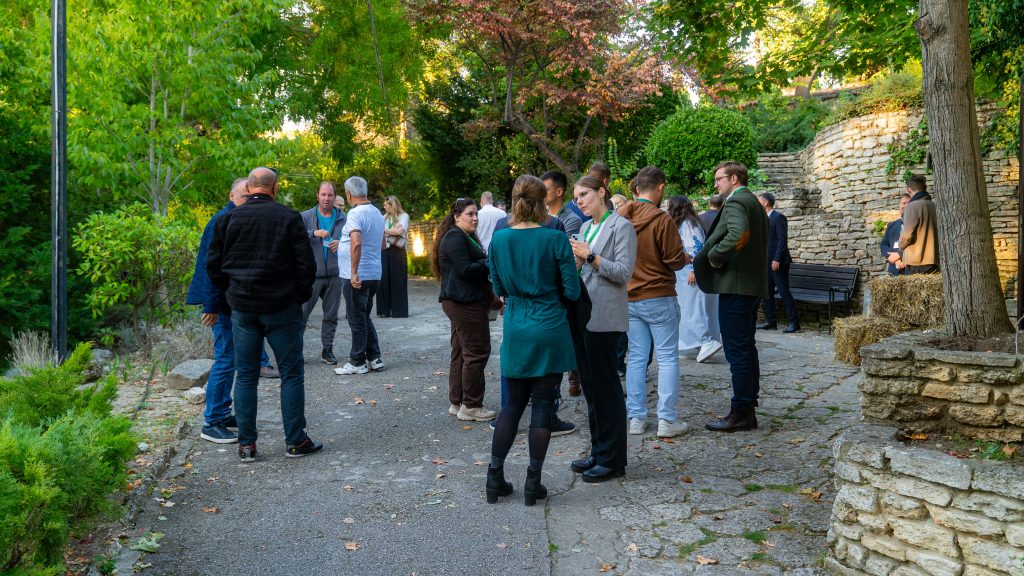
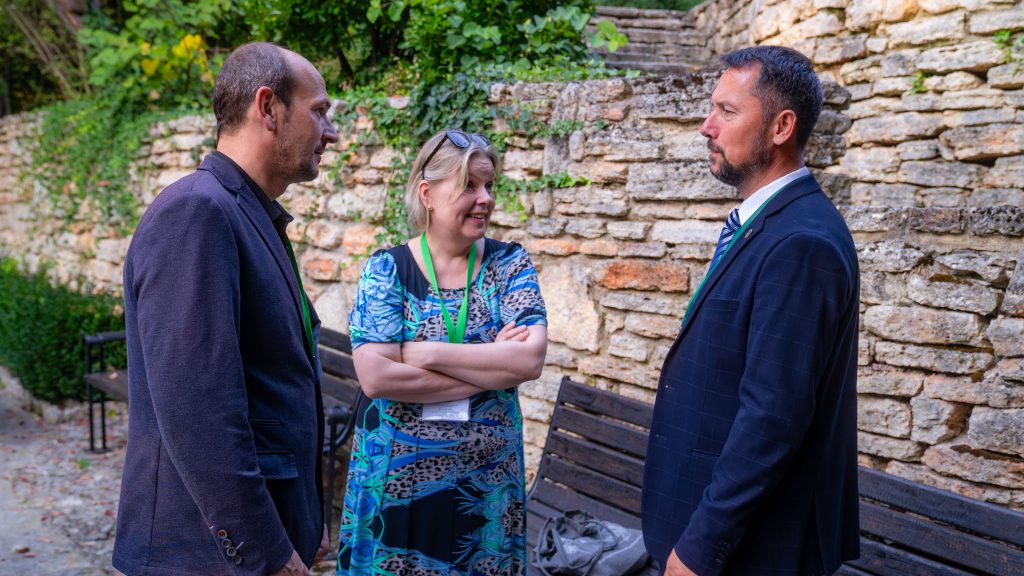
In the late afternoon, the “Sourdough C(h)amps” first presented their findings to the civil society partners of the FriedensBrot network. They received valuable feedback and discussed their approaches with the conference participants. In the process, differing perspectives across generations also became apparent—an important impetus for further dialogue on the future of European agriculture.
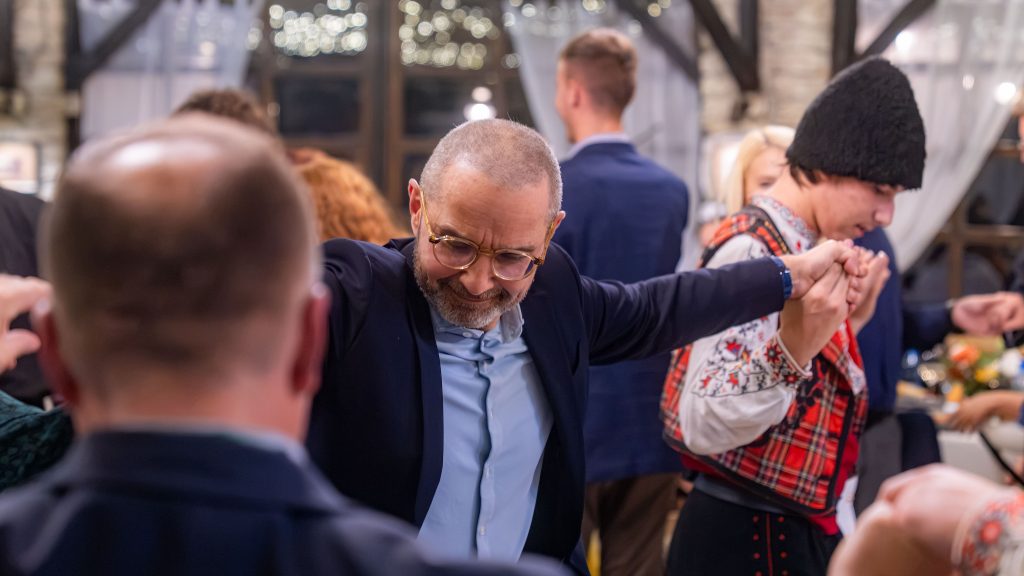
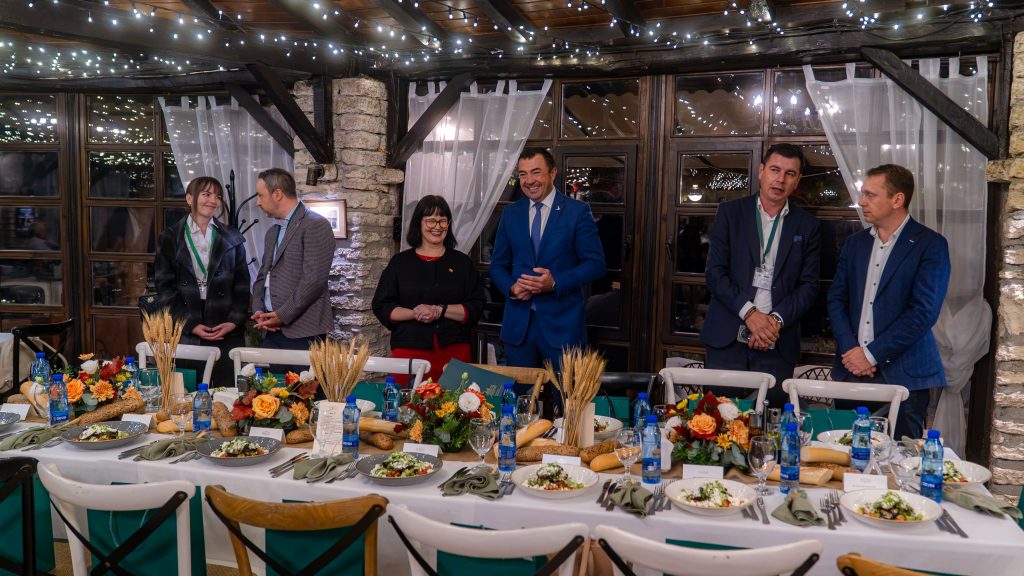
After the representatives from the ministries had also arrived on October 7, our Bulgarian hosts invited everyone to a gala dinner. Over a varied and delicious dinner, the guests were able to enjoy Bulgarian cuisine, strike up conversations, and get to know one another better.
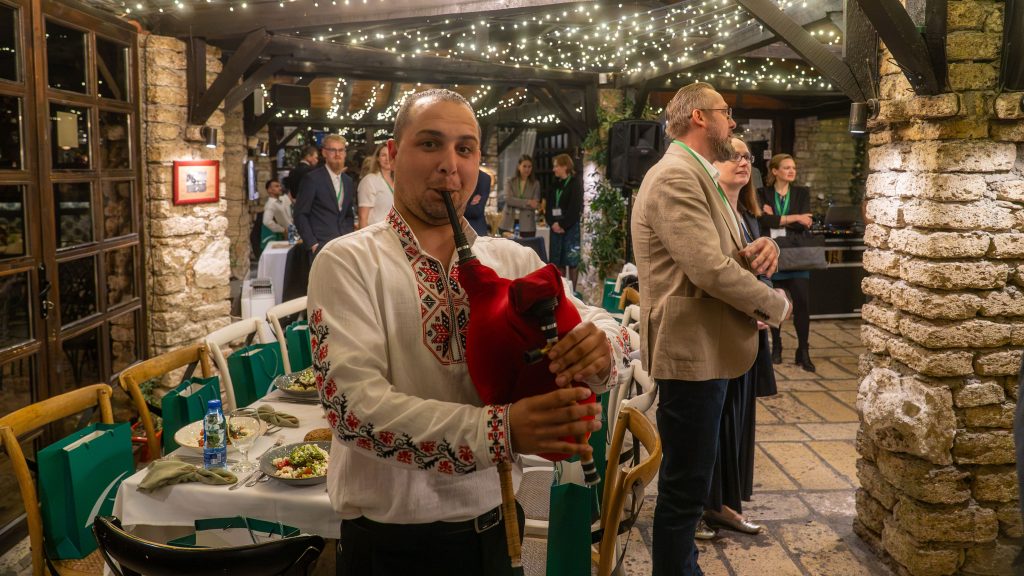
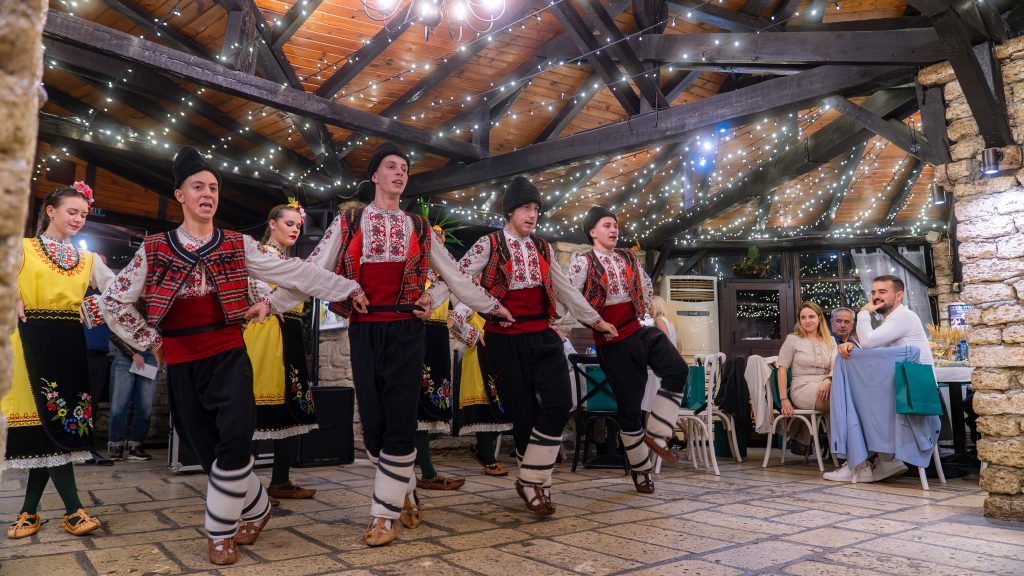
A cultural program offered insights into the traditions of the host country: A dance troupe performed the traditional folk dance “Horo” and delighted the guests with their performance. A fire show provided a spectacular finale late in the evening.
Official Ministerial Conference on “Peace and Agriculture”
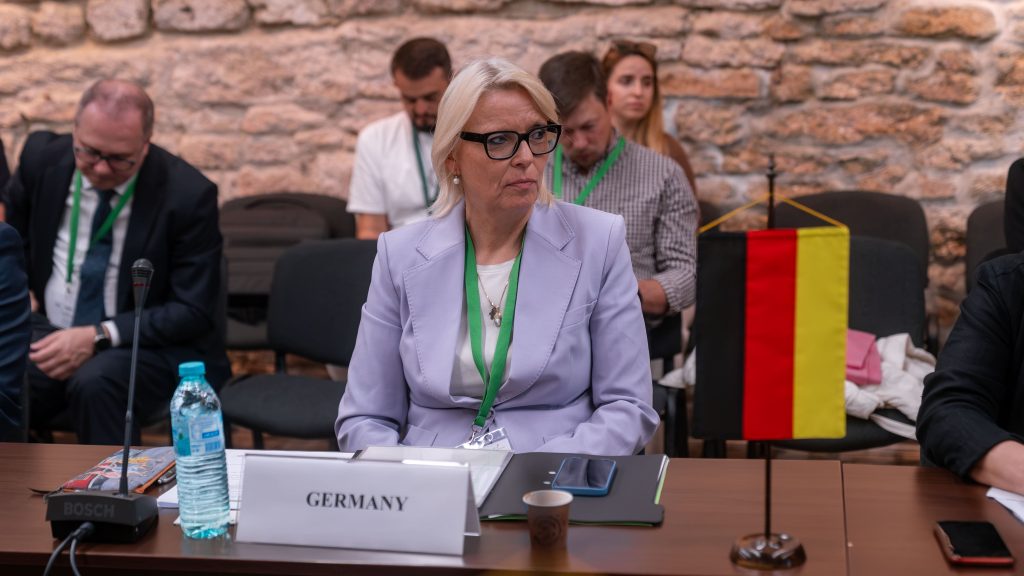
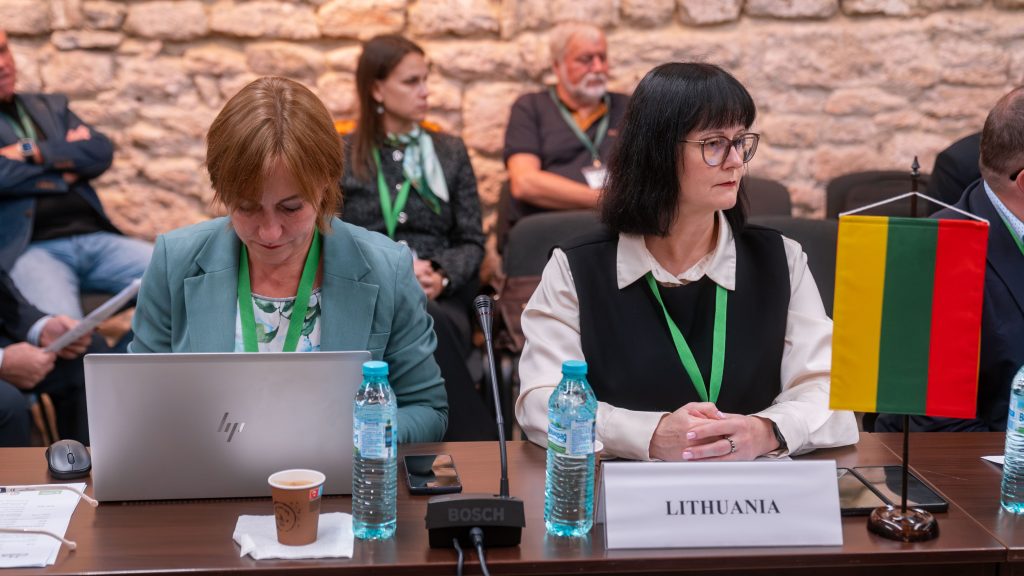
On October 8, participants gathered for the “Peace and Agriculture” ministerial conference in the Stone Hall of the State Cultural Institute “Kulturzentrum Der Palast” in Balchik. The impressive historic hall, which is not normally available for events of this kind, provided a special setting for dialogue among ministerial delegations, civil society partners, and the young participants of the second Sourdough Camp.
As the host, Deputy Minister Yanislav Yanchev emphasized the importance of European unity, mutual respect, and cooperation among nations. He also expressed his gratitude to Hungary for hosting last year’s conference and to Lithuania, which will host the next FriedensBrot conference in 2027.
NGPA Chairman Iliya Prodanov emphasized that the symbolism of bread takes on a special and deeper meaning, especially at a time when war has once again become a reality on the European continent. Bread begins in the soil, with the seeds and the work of farmers—but at the same time, it connects people, communities, and peace. Producers cannot ensure agricultural resilience on their own. This requires functioning institutions, reliable and supportive policy frameworks, scientific progress, innovation, responsible businesses, and strong industry organizations.
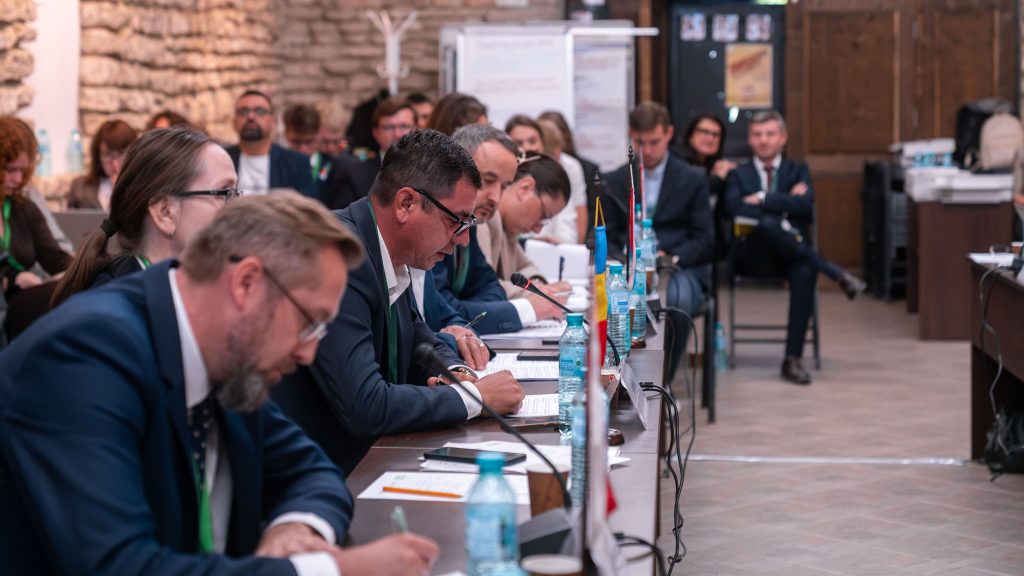
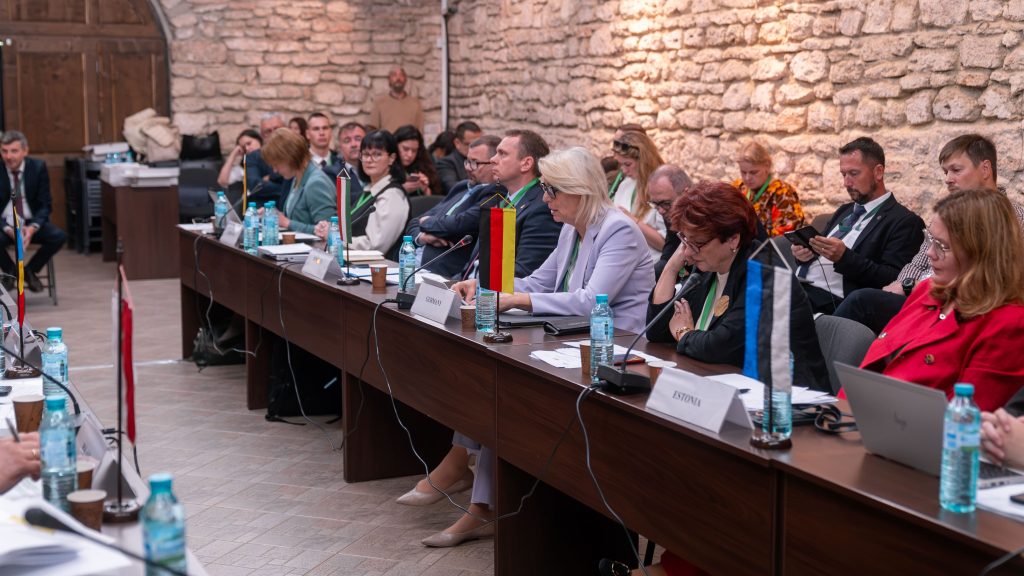
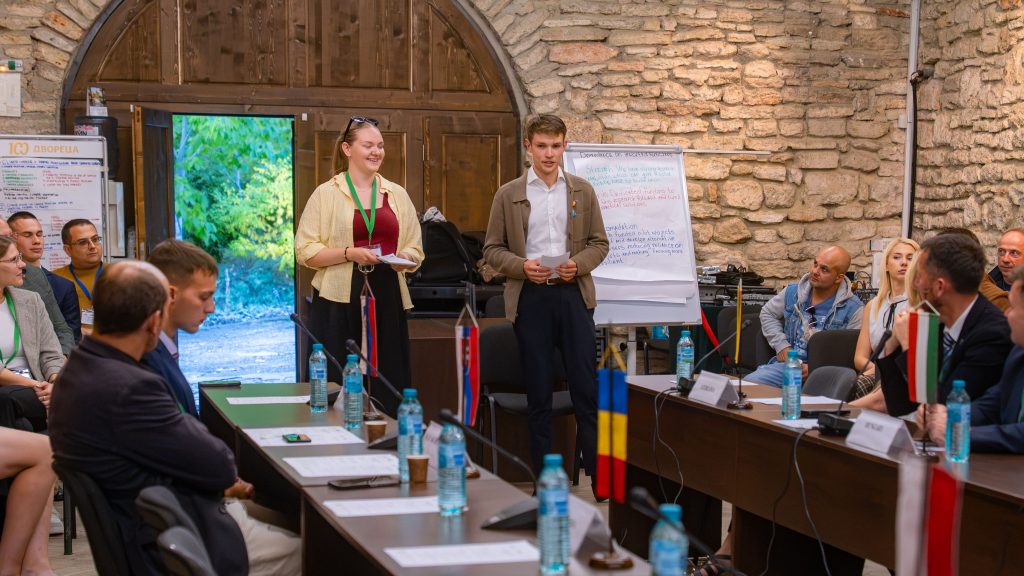
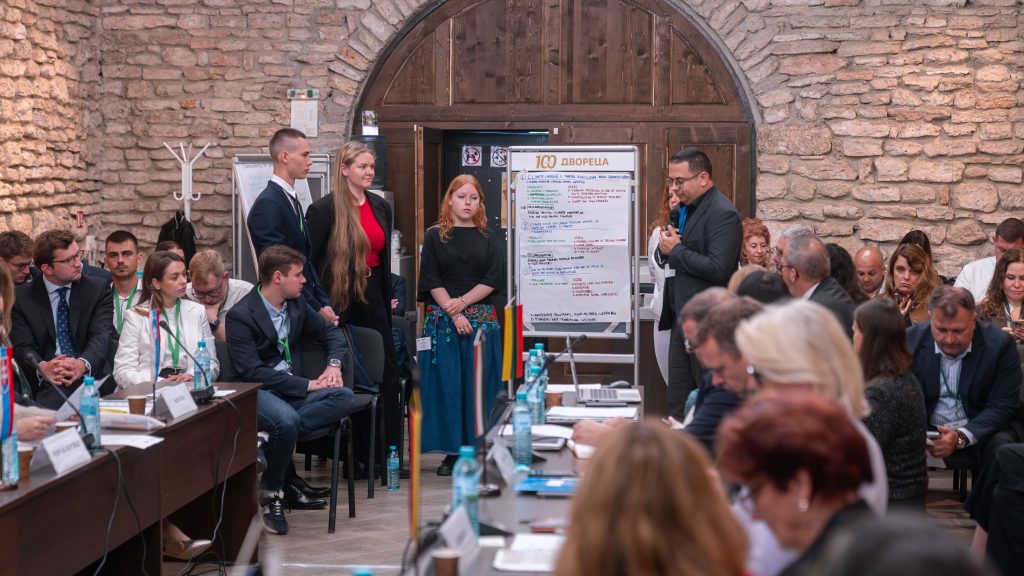
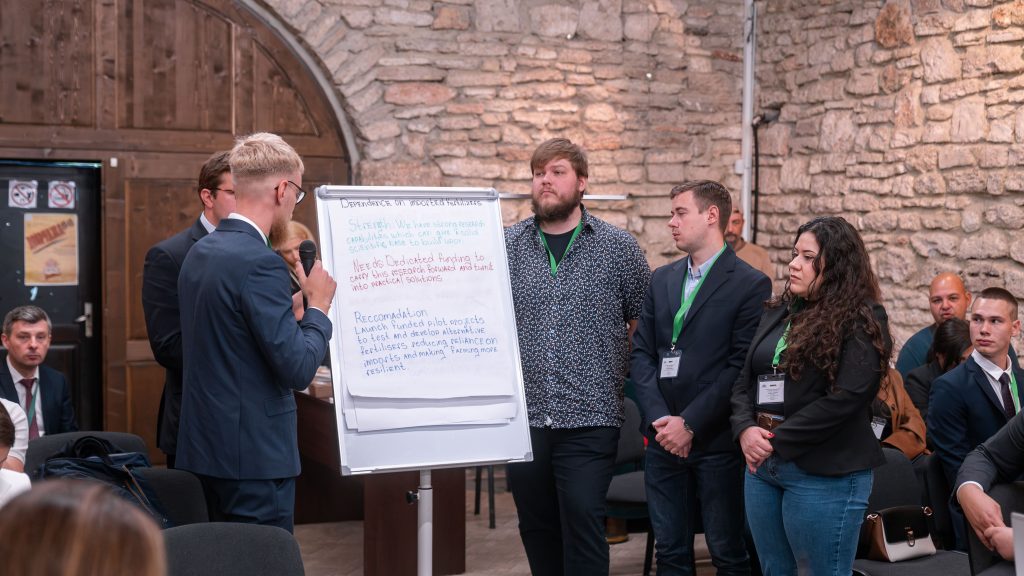
Following the opening remarks, the young participants presented the proposals they had developed for resilient agriculture directly to the ministerial delegations and numerous Bulgarian guests.
The presentation was followed by questions and a lively discussion with the representatives of the delegations. This gave the young farmers a unique opportunity to present their ideas and proposals directly to those who help shape their countries’ agricultural policies. The dialogue made it clear that, despite differing regional and national conditions, the challenges facing agriculture in Europe are often the same—and that sustainable solutions require cooperation among institutions, academia, and the agricultural sector. On this basis, tangible approaches and shared perspectives for resilient agriculture emerged from the discussions and conference presentations by civil society and government ministries. The focus was on the major shared task of ensuring agriculture and food security under all circumstances—in times of war, during global crises, and in the face of climate change.
The increasing unpredictability of the framework conditions for agriculture emerged as an overarching challenge and a recurring theme in nearly all discussion panels. At the same time, in light of military conflicts, climate change, and unstable markets, the agricultural sector needs reliable framework conditions more than ever to be able to plan and invest for the long term. Technology, innovation, and digital solutions can and must help address the challenges of the future. Ultimately, however—a common thread running through nearly all the presentations—it comes down to investing in people and knowledge—and, in particular, in the younger and next generation.
The participants unanimously emphasized how valuable the multilateral—and explicitly also the intergenerational—exchange with young farmers had been. Particularly impressive, too, were the appeal and gratitude expressed by their Ukrainian colleagues to maintain connections, solidarity, and support between Europe and war-torn Ukraine through the FriedensBrot platform.
The presentation of certificates to the graduates of the Sourdough Camp rounded out the morning session of the conference.
Ceremonial Highlight: Blessing of the Bread of Peace in the Rose Garden
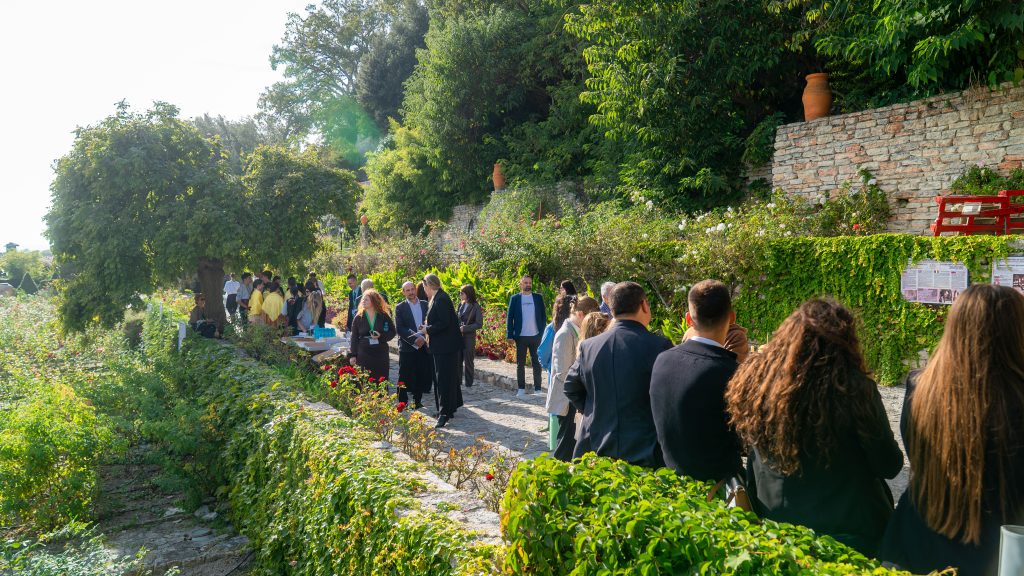
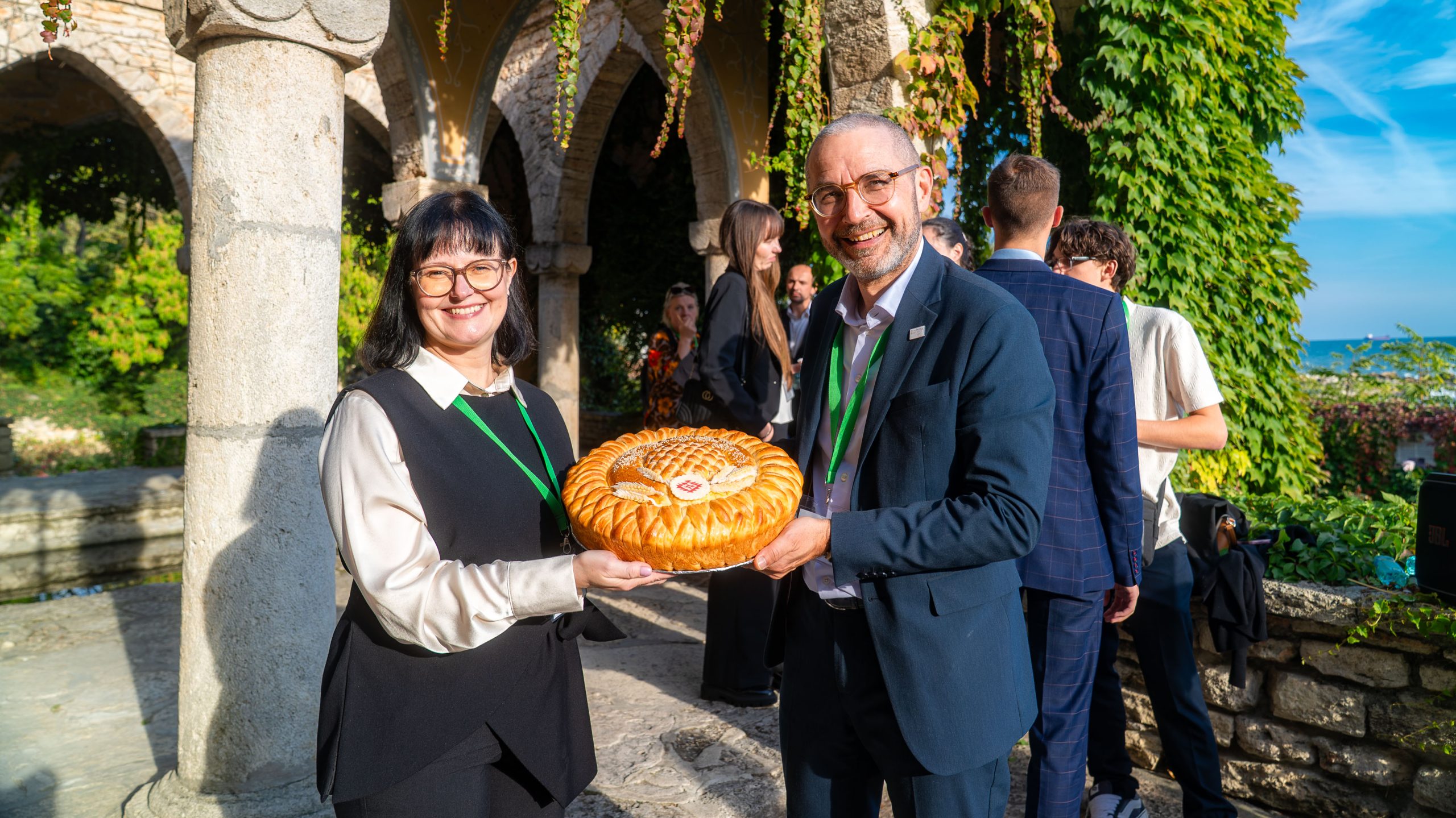
The ceremonial highlight of the carefully coordinated program took place on the afternoon of October 8: the traditional Peace Bread ceremony in the rose garden of Balchik Palace.
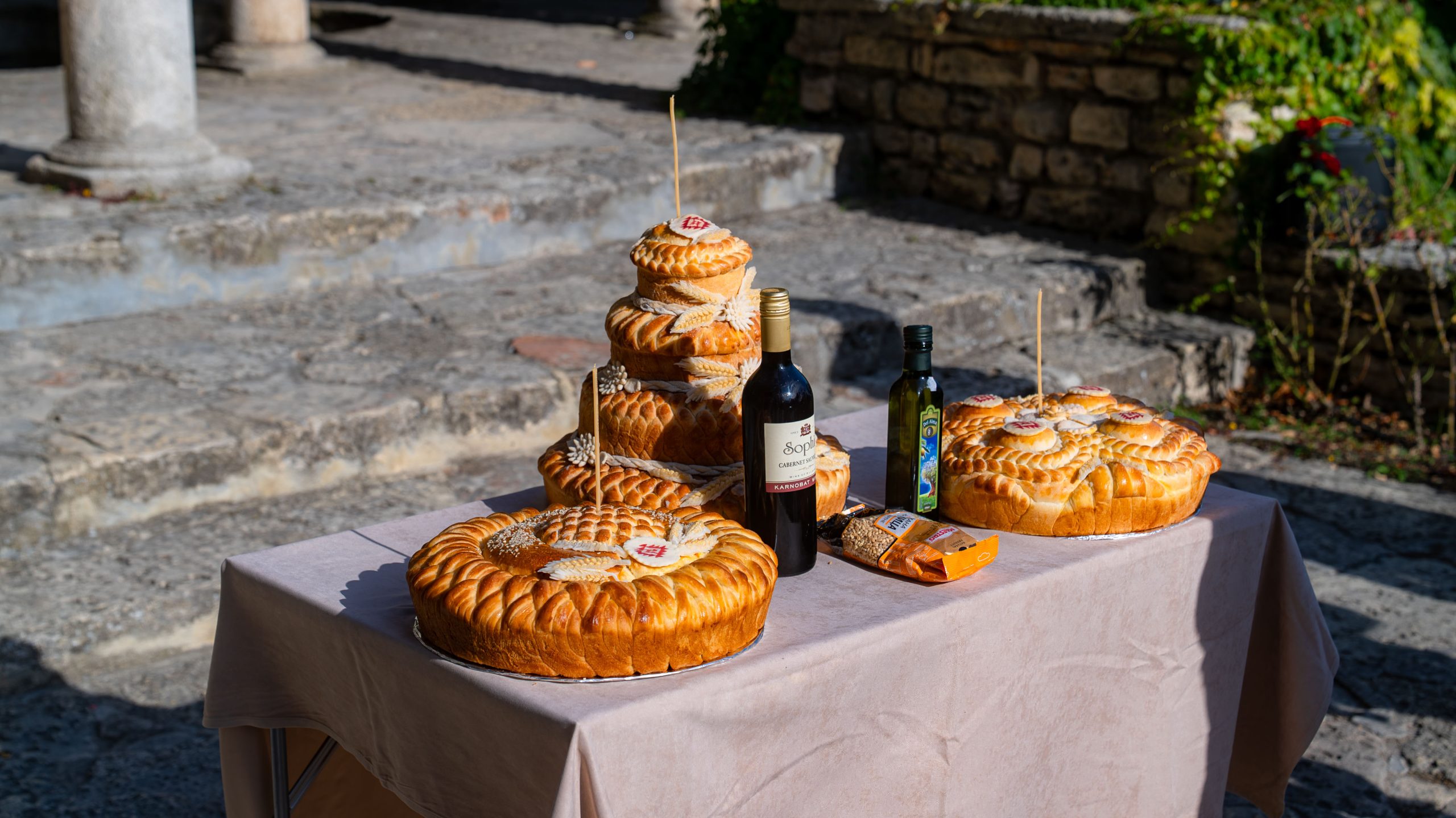
“It is not only history, memory, and tradition that unite us—but what we are willing to do,” Anton Blöth emphasized in his brief address. He recalled the “birth” of the Peace Bread on Thanksgiving Day 2014 at the Chapel of Reconciliation in the former death strip of the Berlin Wall. The twelfth joint European Peace Bread once again symbolizes solidarity with Ukraine and the shared hope that peace may return to Europe and that Ukraine’s fields may once again be cultivated in peace.
In closing, Blöth presented those gathered with Wall rye from Bernauer Strasse—along with an invitation to use these grains as a basis for continuing their conversations about their shared days in Bulgaria, about peace and agriculture, and about the future of the PeaceBread—thus symbolically underscoring: “The future of the PeaceBread lies in our hands.”
Following further ceremonial remarks by Deputy Minister Yanchev and NGPA Chairman Prodanov, the European Peace Bread 2026 was blessed in a dignified ritual. The ceremony was accompanied by performances from a young folk dance group, which added a special cultural touch to the afternoon.
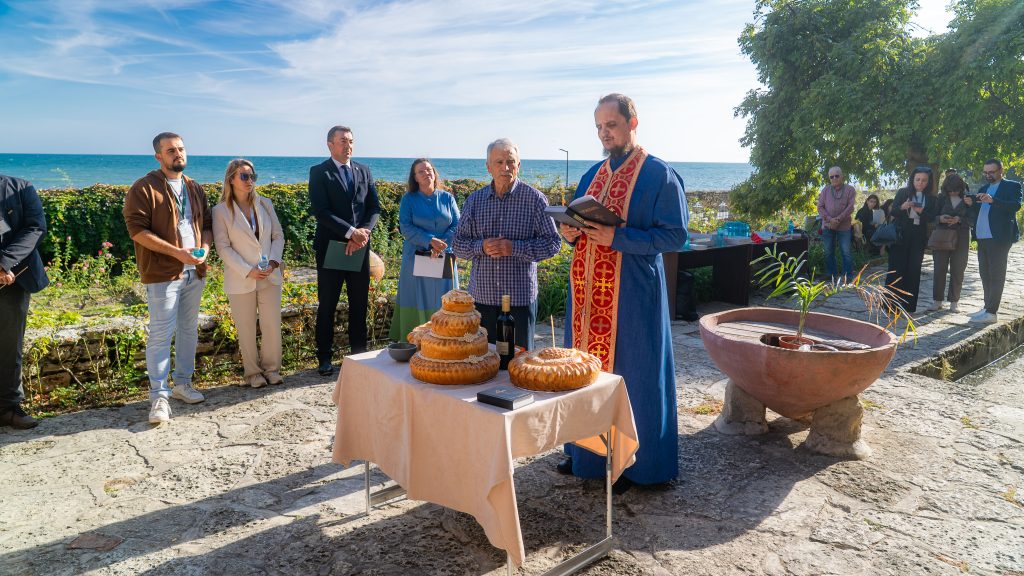
Finally, the presentation of the Peace Bread to the Republic of Lithuania marked a traditional yet no less significant moment. Lithuanian Deputy Minister Genovaitė Beniulienė accepted the festively decorated and freshly baked bread in accordance with tradition and invited the network to the 13th European Annual Conference in 2027 in the Baltic country.
Acknowledgments and Outlook
The 12th Annual European Conference on “Peace and Agriculture” was a highly successful event in every respect: a well-conceived and cohesive program that, through professional and personal encounters, consistently built toward the solemn and spiritual highlight of the PeaceBread blessing; a conference theme of great relevance to Europe today; and, above all, warm-hearted hosts who treated the network to four unforgettable days on the Black Sea.
It is a source of pride to note that, even on its second journey to Bulgaria, the European Peace Bread has once again proven itself to be a living symbol of unity between East and West, between young and old, and between civil society and government ministries.
Special thanks go to the Bulgarian Ministry of Agriculture, the National Association of Grain Producers, and all the local volunteers—as well as to all participants from the partner countries, who supported and enriched this conference with their openness, commitment, and willingness to engage in dialogue and mutual understanding.
Finally, the public response in Bulgaria was noteworthy. The Bulgarian Telegraph Agency (BTA) provided extensive coverage from Balchik. The Bulgarian Ministry of Agriculture and the National Association of Grain Producers covered the conference in their own publications and on their communication channels. The Bulgarian agricultural press also picked up on the event’s key messages—ranging from the challenges facing agriculture and the digitization of the sector to the ceremonial blessing of the European Peace Bread in the rose garden.
International News Coverage
Bulgarian Ministry of Agriculture – October 8, 2026
Official coverage of the conference, Yanchev’s remarks, the blessing of the “Peace Bread,” and its handover to Lithuania. Includes photos.
Bulgarian Telegraph Agency (BTA) – October 8, 2026
Report on the ministerial conference and its key political and agricultural topics.
Lithuanian Chamber of Agriculture – October 13, 2026
Detailed English-language review of the conference, the intergenerational dialogue, and the handover to Lithuania in 2027.
Bulgarian News Portal FAR – October 8, 2026
Media analysis focusing on the participating countries and the specific challenges facing Bulgarian agriculture.